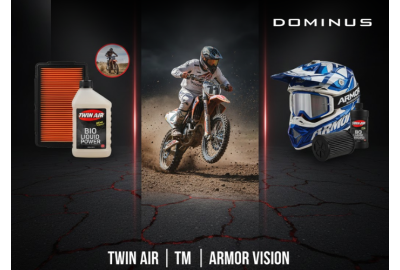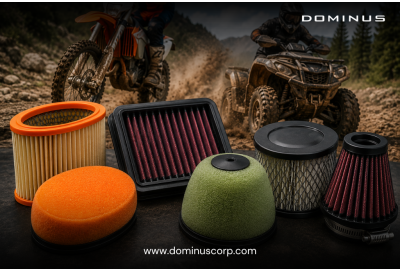
Whether you're tearing through muddy trails on a dirt bike or cruising backcountry roads on your adventure motorcycle, one component quietly determines how well your engine breathes — and performs. Motorcycle air filters are easy to overlook, but choosing the right one can mean the difference between a machine that runs clean and strong and one that chokes under pressure. If you've been researching options, brands like Twin Air keep coming up—and for good reason.
This guide breaks down everything you need to know to make a smart choice.
Why the Air Filter Matters More Than You Think
Your engine is essentially an air pump. For every gallon of fuel it burns, it consumes roughly 10,000 liters of air. The air filter's job is to let that massive volume of air flow freely—while keeping out the dirt, sand, dust, and debris that would otherwise grind your engine internals to scrap.
For off-road and motorcycle riding, this challenge is amplified. Trail riding kicks up fine silt. Motocross tracks generate roost and dust clouds. Desert riding means your filter faces some of the harshest conditions on earth. A weak or poorly matched filter fails at one of two things: it either clogs and starves your engine of air, hurting power and fuel economy, or it passes too much debris through and accelerates wear on pistons, rings, and cylinder walls.
Neither outcome is acceptable. That's why filter selection deserves serious thought.
Key Factors When Choosing a Motorcycle Air Filter
1. Filtration Efficiency vs. Airflow
This is the fundamental trade-off in air filter design. Finer filtration catches more contaminants but restricts airflow. Coarser filtration flows better but lets more particles through.
The best filters find a middle ground tuned specifically for the conditions you ride in. For high-speed desert racing, you want maximum filtration of fine dust. For a trails bike in a forest environment, superior airflow and reusability may take priority.
2. Filter Material
The two main materials are foam and paper/cotton gauze.
-
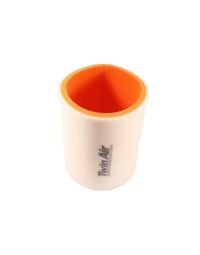
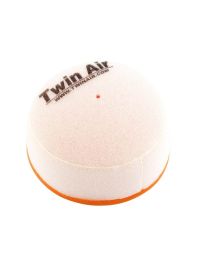
Foam filters dominate the off-road and motocross world. They're reusable, cleanable, and — when properly oiled — offer excellent filtration across a wide range of conditions. They conform well to irregular airbox shapes and can handle significant abuse.
-
Paper/cotton gauze filters are more common in street motorcycles and some adventure bikes. They generally offer good airflow and filtration for paved or lightly dusty environments but are harder to service in the field.
For true off-road use, foam is almost always the right call.
3. Vehicle-Specific Fit
A filter that doesn't seal properly against the airbox is worse than no filter at all—contaminated air will simply bypass it through the gaps. Always choose a filter that's engineered to fit your specific make, model, and year. Universal filters can work in some applications but require careful fitting.
4. Ease of Maintenance
Off-road filters need regular cleaning and re-oiling. A filter that's difficult to remove or prone to tearing during cleaning quickly becomes a liability. Look for filters with reinforced frames, consistent foam density, and designs that make the cleaning process straightforward.
Why Twin Air Stands Out in the Off-Road World
When riders and mechanics discuss motorcycle air filters, Twin Air is consistently at the top of the conversation — and not just because of marketing. The brand has earned its reputation through decades of development with professional motocross and enduro teams.
Twin Air filters are made frm a dual-layer open-cell foam, which is the origin of the "Twin" name. The inner layer provides structural support and catches larger particles; the outer layer handles finer debris. Together, they deliver a combination of high airflow and strong filtration efficiency that single-layer foam filters often can't match.
The foam itself is engineered to work with Twin Air's own filter oils, creating a tackier surface that traps particles more effectively than dry foam alone. The fit is precise—each filter is designed to exact OEM specifications, so you get a proper airbox seal without improvising.
For riders who push hard in demanding conditions, this level of engineering is not a luxury — it's a reliability requirement.
Don't Overlook the Twin Air Fuel Filter
Air filtration gets most of the attention, but your fuel system faces similar contamination risks—especially on off-road bikes that may be fueled in the field frm jerry cans or questionable sources. The Twin Air fuel filter is a compact inline filter designed to catch debris before it reaches your carburetor or fuel injector.
Contaminated fuel causes lean conditions, erratic running, and injector damage that's far more expensive to fix than a simple filter replacement. Adding a quality inline fuel filter is cheap insurance, particularly for bikes used in competition or remote riding.
Matching Your Filter to Your Riding Environment
Here's a practical breakdown by use case:
-
Motocross / Supercross: Maximum filtration is priority. Look for Twin Air's competition foam filters, oiled and installed correctly before every race day.
-
Enduro / Trail Riding: Balance filtration with airflow. A dual-layer foam filter is ideal; re-oil every 10–15 hours of riding or sooner in dusty conditions.
-
Desert Racing: Airbox pre-filters add an extra layer of protection for extremely dusty environments. Use them alongside your primary foam filter.
-
Adventure / Dual Sport: If you're spending significant time on gravel roads or unpaved tracks, upgrade frm a stock paper filter to a quality foam option for better long-term protection.
Maintenance Tips That Extend Filter Life
Choosing the right filter is only half the equation. How you maintain it determines how long it protects your engine.
-
Clean with proper filter cleaner — not gasoline or harsh solvents that degrade foam over time.
-
Let the filter dry completely before re-oiling.
-
Apply oil evenly and work it into the foam by hand. Too little oil leaves gaps; too much restricts airflow.
-
Inspect the filter frame each time for cracks or distortion that could allow air bypass.
-
Replace when the foam shows signs of deterioration — stiffness, brittleness, or tearing.
Conclusion
Choosing the best air filter for your motorcycle or off-road vehicle comes down to matching the filter's design to your riding conditions, your maintenance habits, and the performance level your engine demands. For serious off-road use, Twin Air filters — backed by proper oiling technique and regular service intervals — represent one of the most proven solutions on the market. Add a Twin Air fuel filter to the setup, and you've covered both ends of your fuel system's contamination risk.
Protect the air, protect the fuel, and your engine will reward you with reliable power every time you twist the throttle.
Ready to build or upgrade your bike?
Visit DominusCorp.com
Explore trusted brands like Twin Air, TMV, Renthal, Braking, and Polisport
Ride with confidence—supported by people who ride, race, and caref
Address: 2615 Port Industrial Dr, Unit 401, Jacksonville, FL, 32226, United States
Telephone: 800-749-2890
E-mail: sales@dominuscorp.com
At Dominus Corporation, we are committed to providing premium products, outstanding customer service, and a seamless shopping experience. Join us in elevating your riding experience with the best powersports products in the industry.
Dominus Corporation—Where Quality Meets Performance!