Motocross Bars: How the Right Handlebars Improve Control & Performance
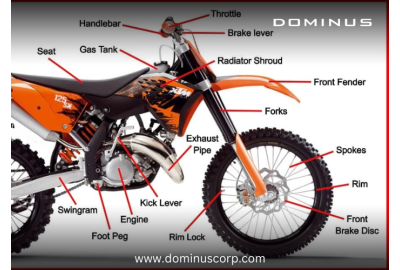
When it comes to dominating on the track or conquering the trail, the difference between a good ride and a great one often comes down to the components you choose. Motocross bars — your handlebars — are one of the most critical contact points between rider and machine. They influence everything from steering precision and fatigue management to overall confidence at high speed.
In this guide, we explore how the right motocross bars transform your ride, how they work in harmony with other key components like motocross seat covers, moto brake levers, and motorcycle gear shift levers, and what you need to know before making your next upgrade.
Why Motocross Bars Matter More Than You Think
Handlebars are not just a place to hold on. They are the primary steering and control interface for every maneuver you make. The wrong motocross bars can lead to arm pump, poor cornering, mistimed jumps, and even injury. The right ones, however, deliver precision, comfort, and confidence.
Key factors influenced by your motocross bars include:
• Steering leverage and response time
• Rider posture and ergonomics
• Vibration absorption and fatigue reduction
• Compatibility with your moto brake lever and other controls
• Overall handling in rough, technical terrain
Types of Motocross Bars: Finding Your Fit
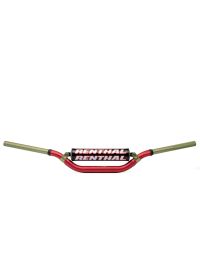
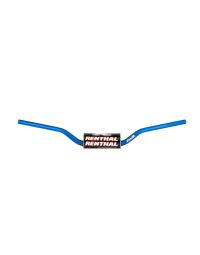
Not all motocross bars are created equal. They vary in height, width, bend profile, and material. Understanding these differences is the first step to making the right choice.
Bar Height
Higher bars encourage a more upright riding position, which reduces back strain on long enduro rides. Lower bars give a more aggressive, attack stance preferred by motocross racers who need rapid direction changes.
Bar Width
Wider bars offer more leverage and stability, ideal for tight technical sections. Narrower bars allow quicker, more precise steering inputs — a favourite among Supercross riders navigating tight rhythms.
Bend Profile
Each manufacturer offers multiple bend profiles — names like "CR High," "Pro Taper," or "Windham" describe specific combinations of height, pullback, and sweep. Choosing the right bend means matching the bar geometry to your body dimensions and riding style.
Material
Most premium motocross bars are made from tapered aluminum alloy (7075 or 6061 series) for a balance of strength and weight. Some riders opt for chromoly steel for greater flex and vibration damping, though at a weight penalty.
The Connection Between Motocross Bars and Rider Performance
Upgrading your motocross bars is not just an equipment change — it is a performance upgrade that affects your entire riding dynamics.
Reduced Arm Pump
Ill-fitting bars force your arms into unnatural positions, restricting blood flow and causing the painful condition known as "arm pump." Properly fitted motocross bars maintain a relaxed grip angle, keeping your arms loose and reactive throughout the moto.
Improved Corner Control
The right bar width and sweep give you the leverage to push the front wheel through corners with confidence. Paired with a well-adjusted moto brake lever, you gain the ability to trail-brake more effectively, carrying speed into corners without washing the front end.
Better Jump Mechanics
Landing jumps places enormous stress on your handlebars and grip points. Motocross bars built with the right taper and alloy absorb impact without flexing unpredictably, keeping your trajectory stable in the air and on touchdown.
Pairing Your Motocross Bars with the Right Controls
Your motocross bars only perform at their best when paired with properly set up controls. Two components that work in direct harmony with your handlebars are the moto brake lever and the motorcycle gear shift lever.
Moto Brake Lever: Precision at Your Fingertips
The moto brake lever is your front brake control — and its adjustment relative to your motocross bars is critical. A poorly positioned lever forces your hand into an awkward angle, slowing reaction time and increasing fatigue. The ideal setup allows two-finger braking with a straight wrist, meaning the lever angle must be tuned to match your bar height and sweep.
Modern aftermarket moto brake levers offer:
• Tool-free reach adjustment for different glove sizes
• Adjustable pivot to match bar angle changes
• Forged aluminium or carbon fibre construction for strength with low mass
• Folding tips to survive tip-overs without replacement
When you install new motocross bars, always readjust your moto brake lever angle as a first step. A 5-degree shift in bar angle can dramatically change lever feel.
Motor Cycle Gear Shift Lever: Left-Foot Harmony
While the motor cycle gear shift lever is operated by the left foot, its relationship to handlebar position is indirect but real. Changing to taller or more pulled-back motocross bars shifts your body weight distribution forward or rearward, changing the natural angle of your left foot over the motor cycle gear shift lever.
If you install significantly different motocross bars, assess whether your motor cycle gear shift lever needs height or angle adjustment to maintain natural gear changes without lifting your foot off the peg. A misaligned motorcycle gear shift lever causes missed shifts at critical moments — the last thing you need mid-race.
Motocross Seat Covers: The Overlooked Partner to Your Bars
An upgrade that pairs naturally with new motocross bars is a fresh set of motocross seat covers. Here's why these two components are linked:
When you change your handlebar height, your riding position shifts. A taller bar may push you slightly rearward; a lower bar encourages a more forward attack position. Your motocross seat covers directly determine how well you can move between these positions.
Quality motocross seat covers offer:
• Grip material (ribbed or Gripper texture) that prevents unwanted sliding during acceleration and braking
• Comfort padding density tuned for your track style — harder for motocross, softer for enduro
• Durability against roost, mud, and UV exposure
• Waterproof backing to prevent seat foam degradation
Just as motocross bars define your upper body control, motocross seat covers define your lower body stability. Together, they create a cohesive contact system that lets you move fluidly on the bike without fighting your own equipment.
How to Choose the Best Motocross Bars for Your Riding Style
With dozens of bar profiles and brands on the market, narrowing down your choice comes down to three questions:
What is your riding discipline?
Motocross (MX): Prefer lower, narrower bars for aggressive, reactive handling on groomed tracks.
Enduro / Trail: Favor taller, wider bars for control in technical terrain and reduced fatigue on long days.
Supercross: Similar to MX but with even more precision in sweep to handle tight rhythm sections.
What is your body size?
Taller riders generally benefit from higher bars to avoid hunching. Shorter riders may prefer lower bars to maintain reach without overextending. Always measure your current bar height from the triple clamp before ordering a replacement.
What is your current pain point?
• Arm pump → try taller bars with more pullback
• Front-end push in corners → try wider bars for more leverage
• Shoulder fatigue → try a bar with more sweep and less width
• Slow steering → try lower, narrower bars
Installation Tips: Getting the Most From Your New Motocross Bars
Installing motocross bars is straightforward, but a few details make the difference between a great setup and a frustrating one.
• Torque clamp bolts evenly — over-torquing crushes the bar taper and creates cracking points
• Centre your bar with a ruler before tightening — off-centre bars skew your perceived steering
• Rotate bar fore/aft in the clamps to find the natural grip angle before locking in
• Readjust your moto brake lever angle immediately after installation
• Check your motorcycle gear shift lever height and angle to ensure clean gear changes
• Refit or replace motocross seat covers if the new bar position changes your typical riding posture
Maintenance: Keeping Your Motocross Bars in Top Condition
Even the toughest motocross bars need periodic inspection. After a crash or heavy riding season, check for:
• Bends or kinks — any visible deformation means immediate replacement
• Hairline cracks at weld points or clamp zones — use a flashlight and look carefully
• Corrosion under grip glue — remove grips annually for inspection
• Loose clamp bolts — retorque after the first 2-3 rides with new bars
Your moto brake lever and motorcycle gear shift lever should also be inspected alongside your bars — look for pivot wear, bent tips, and loose bolts at every service interval.
Conclusion
Motocross bars are the command center of your bike. The right pair not only transforms steering feel and rider comfort — they work in synergy with your moto brake lever, motorcycle gear shift lever, and motocross seat covers to create a fully optimized rider-machine interface.
Whether you are a weekend warrior seeking more comfort on the trail or a competitive racer chasing tenths of a second, investing in the correct motocross bars is one of the highest-return upgrades you can make. Understand your riding style, measure your body fit, match your controls, and ride with confidence.
The right bars don't just feel different — they make you ride differently.
Ready to build or upgrade your bike?
Visit DominusCorp.com
Explore trusted brands like Twin Air, TMV, Renthal, Braking, and Polisport
Ride with confidence—supported by people who ride, race, and caref
Address: 2615 Port Industrial Dr, Unit 401, Jacksonville, FL, 32226, United States
Telephone: 800-749-2890
E-mail: sales@dominuscorp.com
At Dominus Corporation, we are committed to providing premium products, outstanding customer service, and a seamless shopping experience. Join us in elevating your riding experience with the best powersports products in the industry.
Dominus Corporation—Where Quality Meets Performance!