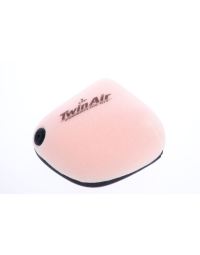
Yes — but only if you have a foam air filter. Foam filters require a light coat of filter oil to trap fine dirt and dust particles effectively. Paper or dry filters do not need oil. Using the wrong approach on either type can reduce engine performance and cause long-term damage.
Why Air Filter Oiling Actually Matters
Your motorcycle engine pulls in a huge volume of air every time you ride. On a 450cc motocross bike at wide-open throttle, that can be 30–40 liters of air per second. Every bit of that air passes through your filter before it reaches the carburetor or fuel injector.
Without proper filtration — or with a dry foam filter — fine dust particles bypass the filter foam and enter the engine. Over time, that abrasive grit wears down piston rings, cylinder walls, and valve seats. Engine rebuilds are expensive. Proper filter maintenance is not.
Foam vs. Paper Filters: Key Differences
Not every air filter works the same way. Here is a breakdown of the two most common types used in motorcycles and off-road bikes:
Foam Filters (Require Oil)
• Used in most dirt bikes, motocross, enduro, and off-road machines
• Open-cell foam traps dirt when coated with a sticky filter oil
• Without oil, fine particles pass straight through
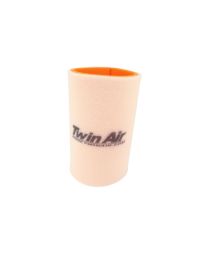
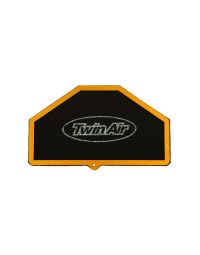
• Brands like Twin Air produce high-flow foam filters used by factory race teams worldwide
Paper / Dry Filters (No Oil Needed)
• Common on street bikes, cruisers, and some adventure touring models
• Uses pleated paper media that filters through physical barrier alone
• Applying oil to a paper filter clogs the pores and restricts airflow
• Replacement is typically the maintenance step—not re-oiling
Rule of thumb: if your filter is foam and used off-road, it needs oil. If it is paper, leave it dry.
How to Oil a Foam Air Filter — Step by Step
This process takes about 10 minutes and should be done every 1–3 ride hours in dusty or muddy conditions or after every wash.
• Remove the filter frm the airbox and inspect for tears or holes
• Wash with a dedicated filter cleaner (not petrol or diesel — these degrade foam)
• Let the filter dry completely—a damp filter traps less dirt
• Apply filter oil evenly — work it into every part of the foam
• Squeeze out excess oil so the filter is evenly coated, not dripping
• Reinstall with a greased cage to prevent dirt frm bypassing the seal
Pro tip: Always grease the lip of the airbox cage before reinstalling. A surprising amount of dirt sneaks in around an unsealed filter edge—not through it.
Signs Your Air Filter Needs Attention
Most riders wait too long. Here are clear warning signs that your filter is overdue for cleaning or re-oiling:
• Sluggish throttle response or loss of top-end power
• Increased fuel consumption with no other changes
• Visible dirt or grit inside the airbox
• Filter looks dark brown or black and feels stiff
• Engine runs rich (black smoke, strong fuel smell at exhaust)
If you ride in sandy or very dusty conditions — desert, beach, or dry trails — you may need to service the filter after every single session.
Choosing the Right Filter Oil
Not all filter oils perform the same. Key things to look for:
• Tackiness—the oil should remain sticky even after the filter heats up
• Compatibility — make sure it is designed for foam, not paper filters
• Color—most quality oils are red or yellow, making it easy to see even coverage
• Spray vs. liquid—sprays are easier for even application; liquid oils work better when massaged in by hand
Using engine oil or WD-40 as a substitute is a common mistake. These do not provide the sticky, dirt-trapping barrier that purpose-made filter oils create. They also wash off faster and can break down foam over time.
Frequently Asked Questions
Can I over-oil my air filter?
Yes. Too much oil restricts airflow, causes the engine to run rich, and can contaminate the airbox with excess oil pooling at the bottom. The filter should feel evenly tacky—not wet or saturated.
How often should I service my air filter?
For trail or motocross riding in normal conditions: every 3–5 ride hours. In extreme dust or mud: after every ride. For street bikes with paper filters, check every 6,000–8,000 km and replace when dirty.
What happens if I ride with a dry foam filter?
Fine particles pass through the open foam cells and enter the engine. This causes accelerated wear on piston rings and cylinder walls. Damage builds gradually — you may not notice it immediately, but it shortens engine life significantly.
Is it okay to reuse old filter oil on a cleaned filter?
No. Once filter oil has trapped dirt, the dirt bonds with it. Washing removes most of it, but residue remains. Always apply fresh filter oil after each cleaning for full protection.
Do I need a special cleaner or can I use soap and water?
Use a dedicated foam filter cleaner. Dish soap and water works in a pinch but does not fully break down the old oil and trapped grit. Petrol and solvents degrade the foam and should never be used.
Conclusion
A properly maintained air filter is one of the cheapest forms of engine protection available. For foam filters on off-road bikes, oiling is not optional — it is how the system is designed to work.
Clean it. Oil it. Seal it correctly. Do that consistently and your engine stays protected ride after ride, whether you are on a dusty desert trail, a muddy motocross track, or a weekend enduro.
Quality filter maintenance starts with quality components. Whether you are running a foam filter on a competition bike or a paper filter on your street machine, using the right products for the job makes all the difference.
Ready to build or upgrade your bike?
Visit DominusCorp.com
Explore trusted brands like Twin Air, TMV, Renthal, Braking, and Polisport
Ride with confidence—supported by people who ride, race, and caref
Address: 2615 Port Industrial Dr, Unit 401, Jacksonville, FL, 32226, United States
Telephone: 800-749-2890
E-mail: sales@dominuscorp.com
At Dominus Corporation, we are committed to providing premium products, outstanding customer service, and a seamless shopping experience. Join us in elevating your riding experience with the best powersports products in the industry.
Dominus Corporation—Where Quality Meets Performance!