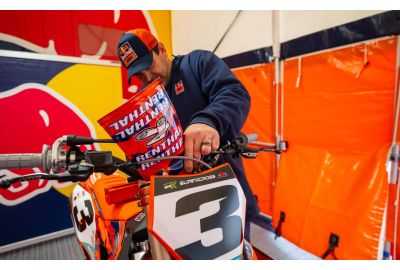
When riders seek better performance from their dirt bike, the focus usually lands on horsepower, suspension, or even tires. Without realizing it, one of the most important contact points between the rider and the machine is often overlooked: the handlebars.
Every input you make on the bike, from steering, body positioning, absorbing impacts and controlling the bike through braking bumps and whoops, all goes directly through the bars. The feel, flex, and strength of your handlebar can completely change how a bike handles and how confident you feel on the track. Having a consistent feel from the first ride to 10 hours in is a hard task.
Let’s break down what actually makes Renthal handlebars stand apart and why the best riders in the world continue to choose them.
The Importance of Handlebar Feel
For riders across every discipline, handlebars aren’t just a steering component. They’re the primary connection point between the rider and the motorcycle. Every time you enter a rough set of whoops, charge into braking bumps, or land off a big jump, the handlebars are absorbing massive forces. At the same time, they’re delivering critical feedback back to the rider.
Too stiff, and the bars transmit harsh vibration that can lead to arm pump and fatigue. Nobody wants to feel that previously broken wrist every time you hit some chattery bumps.
Too soft, and they can feel vague or unpredictable when you’re pushing the limits. The bike and the front tire should feel like an extension of your body, especially when you are choosing precise inches of space on the track or on a trail.
Why Material Matters
One of the biggest reasons Renthal bars perform so well comes down to the materials and manufacturing process behind them. Renthal uses a proprietary 7010 T6 aluminum alloy for many of their handlebars, which is specifically designed for high-stress applications. Compared to more common aluminum alloys used in cheaper handlebars, this material offers significantly greater strength and fatigue resistance. That strength allows the bars to withstand the extreme loads riders experience during racing without compromising on flex characteristics. The amount of G-force a handlebar experiences every lap puts a massive demand on long-term durability.
In all aspects of riding, handlebars go through repeated cycles of stress, from hard landings to constant vibration. Over time, weaker materials can fatigue and fail. You don’t want to be stranded in the desert because your bar broke when you took a tumble, and you certainly want to make sure you can get up and finish the main event in a Supercross race when you go down in the first turn. Renthal’s material choice ensures the bars maintain their structural integrity while still providing the controlled flex riders need for comfort and performance.

The Science of Handlebar Flex and Feedback
Handlebar flex is something many riders don’t think about until they ride a setup that feels “just right." When a handlebar flexes correctly, it absorbs some of the sharp impacts that come from rough terrain. Instead of transferring every vibration directly into the rider’s hands and forearms, the bar helps dampen those forces. Choosing the right bar can be just as crucial as your triple clamps or bar mounts, even the stiffness of the cones you use for your bar mounts!
This has two major benefits: reducing rider fatigue and better feedback from the front end of the bike.
When you’re pushing through deep braking bumps at Budds Creek, charging through a Supercross rhythm section at Anaheim, or full send at the Big Buck GNCC, the right amount of flex allows the rider to feel what the front tire is doing without getting overwhelmed by harsh impacts. That balance of precision and compliance is something Renthal has spent decades refining.
Bend Options That Match Rider Preference
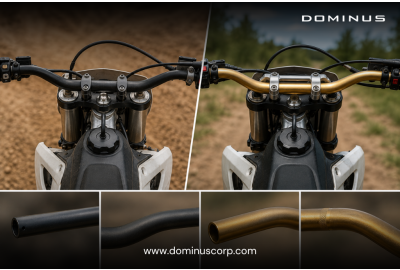
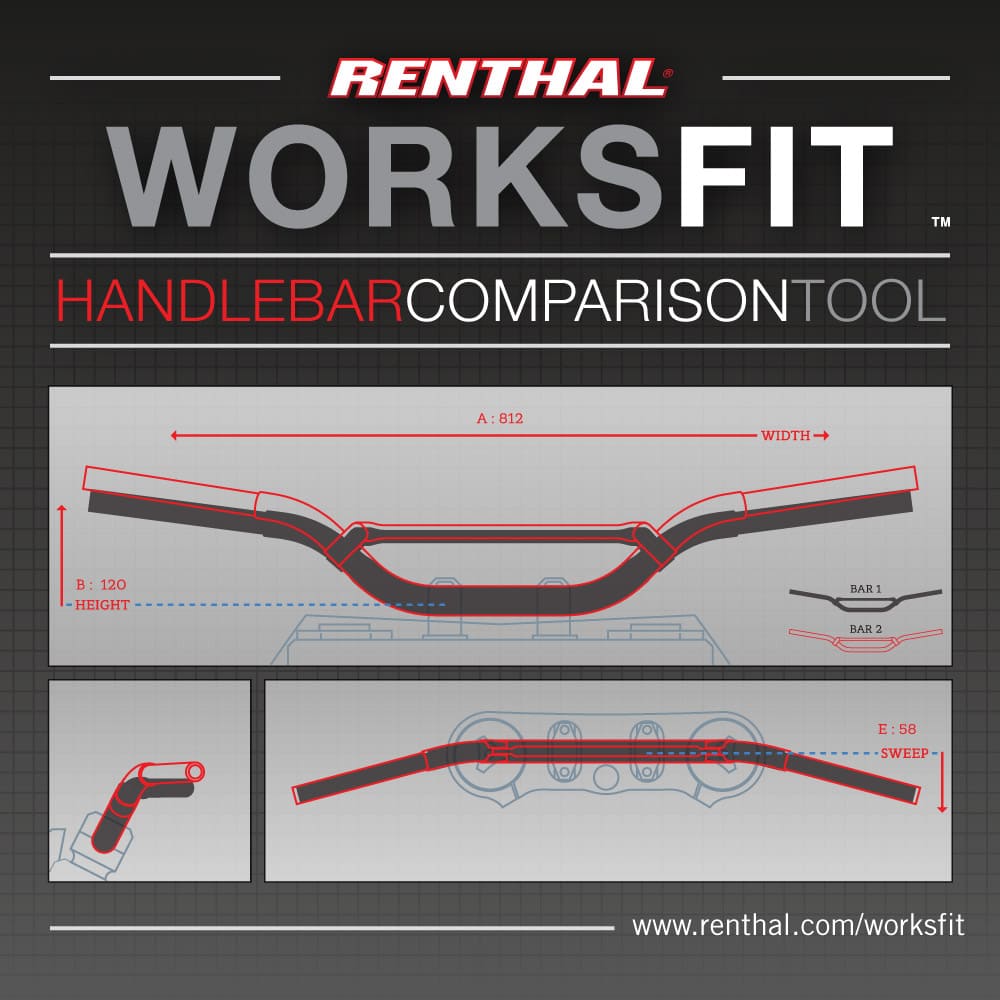
Another major advantage of Renthal handlebars is the wide range of bend options available. Handlebar bends determine the height, sweep, and overall riding position of the rider. Even small changes in bar bend can have a noticeable impact on handling and comfort.
For example:
A taller bend can help riders stand more comfortably and maintain better body position.
Less sweep can create a more aggressive attack position.
Different rise and width combinations can influence steering feel and weight distribution.
These adjustments can also play a role in reducing rider fatigue and arm pump. When your handlebars match your natural riding posture, your body works more efficiently and puts less strain on your forearms. In Supercross, riding position and applied pressure on the bike are critical for speed and control, which can be aided with the right bend. This is why professional riders spend so much time dialing in their bar setup. A few millimeters of bar rise, a slight change in sweep, or the difference in how a handlebar flexes under load can have a major impact on rider comfort and control. When your handlebars deliver the right feeling, you ride more confidently, hold onto the bike less tightly, react quicker to changing track conditions, and stay fresher deep into a long moto.
A personal note from the writer: I can personally attest to the unbelievable difference of a different bar bend. I struggled a lot with the arm pump on Supercross, but after some advice about my riding style and body dimensions, I was told to try the McGrath bend (821) and noticed significantly more control and ability to relax with less arm pump.
That’s why handlebars aren’t just a simple part—they’re a critical component of the rider’s connection to the machine.
The New 661 Bend Used by Eli Tomac
Renthal continues to evolve their handlebar designs based on feedback from the world’s best riders. One example is the new 661 bend, developed with input from Eli Tomac.
Tomac is known for his aggressive riding style, incredible front-end control in rough or slick conditions, and power mitigation to “steer with rear” when necessary. The 661 bend was designed to complement that style by providing a specific balance of rise and sweep that supports strong front-end input while maintaining comfort during long motos.
The Legendary Renthal Fatbar
One of Renthal’s most recognizable products is the Renthal Fatbar. The Fatbar was one of the first oversized handlebars introduced to motocross. By increasing the bar diameter to 1-1/8 inches and eliminating the traditional crossbar, Renthal created a handlebar that delivered improved strength while maintaining optimal flex.
The oversized design allows for:
Greater strength under heavy loads
Improved vibration absorption
A more consistent flex pattern
Greater resistance to bending and breaking
Without the crossbar, riders also gain a cleaner cockpit and slightly more flex compliance compared to traditional bars. It wasn’t uncommon for racers to weaken their crossbar or even saw into it to create this type of flex. The Fatbar quickly became a favorite among professional racers and remains one of the most widely used handlebars in motocross today.
The Strength of TwinWall Technology
For riders who demand maximum durability, Renthal developed another groundbreaking design: the Renthal TwinWall Handlebar.
The TwinWall bar uses a unique dual-tube construction that essentially combines two handlebars into one. The outer tube provides strength and structural support, while the inner tube helps resist bending during extreme impacts. This design delivers incredible durability while still maintaining the precise flex characteristics riders expect from Renthal.
That’s why TwinWall handlebars are another top choice for riders competing at the highest level of the sport, where equipment must withstand the harshest race conditions.
Championship Pedigree
Perhaps the biggest testament to Renthal’s performance is the long list of championships won using their products. At the highest level of racing, factory teams test every component on the motorcycle. If something doesn’t deliver, it doesn’t stay on the bike for long.
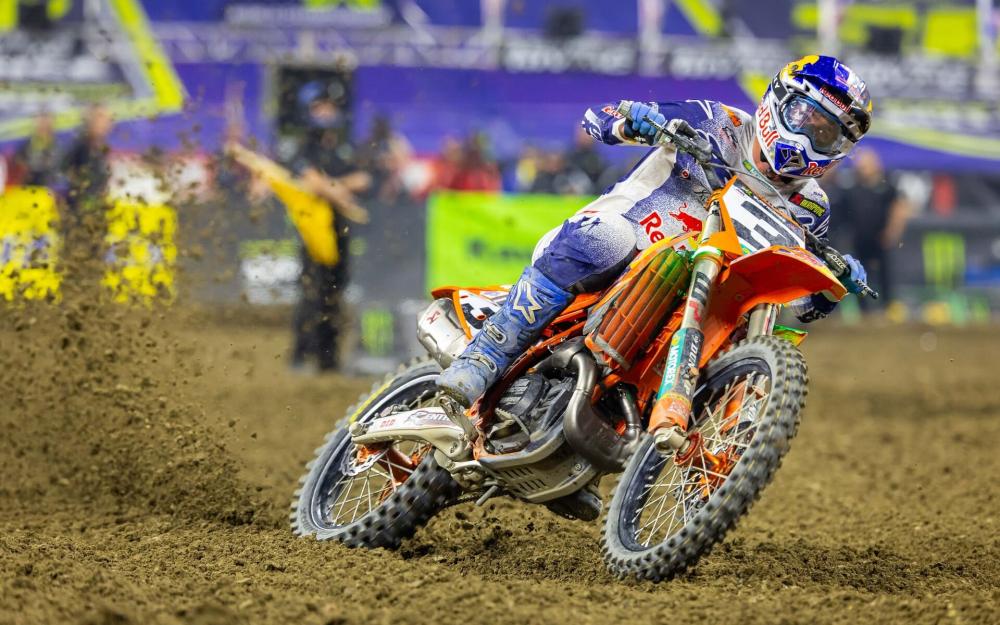
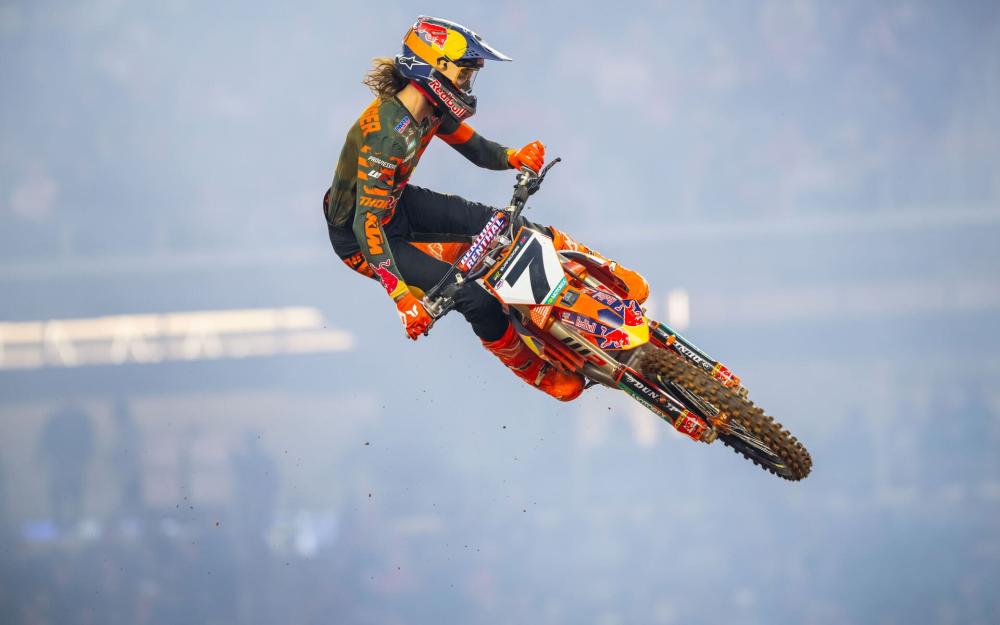
That’s why Renthal handlebars continue to appear on some of the most competitive teams in the AMA Supercross Championship. Several major factory efforts rely on Renthal handlebars as part of their race program, including:
Team Honda HRC
Monster Energy Kawasaki
Red Bull KTM Factory Racing
Troy Lee Designs Red Bull Ducati Factory Racing
Monster Energy Pro Circuit Kawasaki
These teams represent some of the most successful programs in the sport, and their equipment choices often set the standard for the rest of the paddock. When championship contenders are lining up on the gate every Saturday night, there’s a good chance many of them are gripping a set of Renthal bars. Many privateer racers that fight with more production-based equipment also choose Renthal because they rely on the same benefits and know that a high-quality bar will keep them in contention for main event spots and championship point-paying positions.
Before this current generation, many other icons of the sport built their careers with Renthal components on their bikes. Riders like Jeremy McGrath a.k.a. “King of Supercross," and the GOAT Ricky Carmichael and Australia legend Chad Reed also relied on Renthal products throughout their careers. Across the Atlantic, riders like Stefan Everts and Antonio Cairoli helped cement Renthal’s reputation in the FIM Motocross World Championship, winning multiple world titles while competing against the best riders on the planet.
When you look at the combined championships earned by these riders across Supercross, Motocross, and MXGP competition, it becomes clear why Renthal has become synonymous with winning.
Why Riders Continue to Choose Renthal
Motocross and Supercross are sports where rider confidence and machine control make all the difference. With industry-leading materials, decades of engineering refinement, a wide range of bend options, and a championship pedigree that spans generations, Renthal handlebars have become the benchmark for performance and reliability.
When the track gets rough, the whoops get bigger, and the race is on the line, riders need equipment they can trust completely. For decades, some of the fastest riders on the planet have trusted the same name printed across the bar pad: Renthal.
Ready to build or upgrade your bike?
Visit DominusCorp.com
Explore trusted brands like Twin Air, TMV, Renthal, Braking, and Polisport
Ride with confidence—supported by people who ride, race, and caref
Address: 2615 Port Industrial Dr, Unit 401, Jacksonville, FL, 32226, United States
Telephone: 800-749-2890
E-mail: sales@dominuscorp.com
At Dominus Corporation, we are committed to providing premium products, outstanding customer service, and a seamless shopping experience. Join us in elevating your riding experience with the best powersports products in the industry.
Dominus Corporation—Where Quality Meets Performance!